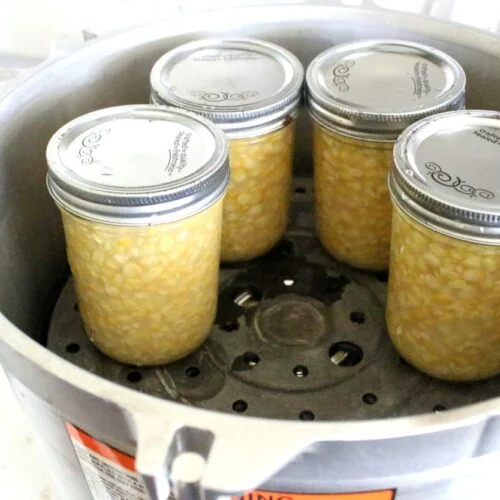
Whole Kernel Sweet Corn is one of the most popular preserved vegetables because it retains its natural sweetness, bright color, and nutritional value. Canning fresh sweet corn at home allows you to enjoy the taste of summer throughout the year without relying on commercially processed products. When prepared correctly using a pressure canner, whole kernel corn can be safely stored for up to one year while maintaining excellent quality. This detailed recipe explains every step of the process, from selecting fresh corn to proper storage.
Ingredients
- 10–12 ears of fresh sweet corn (about 3–4 kg)
- Boiling water
- 1 teaspoon canning salt per quart jar (optional)
- ½ teaspoon sugar per jar (optional, for enhanced sweetness)
- Clean Mason jars (pint or quart size)
- New canning lids and screw bands
Equipment Needed
- Pressure canner
- Large stockpot
- Sharp kitchen knife
- Cutting board
- Jar lifter
- Canning funnel
- Bubble remover or plastic spatula
- Clean kitchen towels
- Large bowl of cold water
Step 1: Select Fresh Sweet Corn
Choose freshly harvested sweet corn with bright green husks and moist silk. The kernels should be plump, juicy, and fully developed. Avoid corn that is dry, overripe, or damaged because it will not produce the best flavor or texture after canning. For the highest quality, process the corn within a few hours of harvesting.
Step 2: Prepare the Corn
Remove the husks and silk completely. Wash each ear thoroughly under cool running water to remove dirt and any remaining silk strands. Proper cleaning is essential for food safety and helps maintain the quality of the canned product.
Step 3: Blanch the Corn
Bring a large pot of water to a rolling boil. Place the corn ears into the boiling water and blanch them for 3–5 minutes. Blanching helps preserve the corn’s natural color, flavor, and texture while making it easier to remove the kernels.
Immediately transfer the corn into a bowl of ice water or very cold water to stop the cooking process. Allow the ears to cool completely before handling.
Step 4: Cut the Kernels
Stand each ear upright on a cutting board. Using a sharp knife, carefully slice downward to remove the kernels. Cut only about two-thirds of the depth of each kernel to avoid scraping the tough cob material into the jars. Continue until all kernels have been removed.
Step 5: Prepare the Jars
Wash Mason jars, lids, and screw bands with hot, soapy water. Rinse thoroughly. Keep the jars hot until they are ready to be filled. Follow the manufacturer’s instructions for preparing the lids to ensure a proper seal.
Step 6: Fill the Jars
Using a canning funnel, fill the jars with the prepared corn kernels. Leave 1 inch (2.5 cm) of headspace at the top of each jar.
If desired, add:
- 1 teaspoon canning salt per quart jar (or ½ teaspoon per pint jar)
- ½ teaspoon sugar per jar for extra sweetness
Pour boiling water over the kernels, maintaining the 1-inch headspace.
Step 7: Remove Air Bubbles
Slide a plastic spatula or bubble remover around the inside of each jar to release trapped air bubbles. Add more boiling water if necessary to maintain the correct headspace.
Step 8: Clean the Jar Rims
Wipe the rims of the jars with a clean, damp cloth to remove any food particles or liquid. Clean rims are essential for creating a proper airtight seal.
Step 9: Apply the Lids
Place the prepared lids on the jars and screw the bands on until they are fingertip-tight. Do not overtighten, as air must escape during processing.
Step 10: Process in a Pressure Canner
Place the filled jars on the rack inside the pressure canner. Add the amount of water recommended by the canner manufacturer.
Process according to the following guidelines:
- Pint jars: 55 minutes
- Quart jars: 85 minutes
Recommended pressure:
- Dial-gauge pressure canner: 11 PSI
- Weighted-gauge pressure canner: 10 PSI
If you live at a higher altitude, adjust the pressure according to your local extension service recommendations.
Step 11: Cool the Jars
After processing is complete, turn off the heat and allow the pressure canner to cool naturally until the pressure reaches zero. Do not force-cool the canner.
Carefully remove the jars using a jar lifter and place them on a towel or cooling rack. Leave them undisturbed for 12–24 hours.
Step 12: Check the Seals
After the jars have cooled completely, check the lids. A properly sealed lid will be slightly concave and will not flex when pressed in the center.
Any jars that did not seal should be refrigerated and consumed within a few days.
Storage
Label each jar with the date of processing. Store sealed jars in a cool, dry, and dark place away from direct sunlight. Properly canned whole kernel corn maintains its best quality for up to 12 months, although it remains safe to eat longer if the seal remains intact.
Serving Suggestions
Whole kernel sweet corn is extremely versatile and can be used in many recipes, including:
- Fresh salads
- Creamy soups
- Corn chowder
- Fried rice
- Pasta dishes
- Tacos and burritos
- Pizza toppings
- Vegetable casseroles
- Chicken recipes
- Stir-fries
- Mexican-style corn salad
- Side dishes with butter and herbs
Nutritional Benefits
Sweet corn is a good source of carbohydrates, dietary fiber, Vitamin C, several B vitamins, potassium, and antioxidants such as lutein and zeaxanthin. These nutrients support digestion, provide energy, and contribute to eye health. Because home-canned corn contains no artificial preservatives, it is a wholesome addition to a balanced diet.
Tips for Best Results
- Always use freshly harvested sweet corn.
- Process the corn as soon as possible after picking.
- Use only a pressure canner for canning corn, as water-bath canning is not safe for this low-acid food.
- Maintain the recommended 1-inch headspace.
- Never reduce the recommended processing time.
- Inspect jars before use and discard any with cracks or chips.
- Store jars away from excessive heat and moisture.
- If a jar develops an off odor, mold, leaking, or bulging lid, discard the contents immediately without tasting.
Conclusion
Home-canned whole kernel sweet corn is a delicious and convenient way to preserve the freshness of summer for year-round use. By carefully selecting fresh corn, following proper sanitation practices, and using a pressure canner according to recommended guidelines, you can produce high-quality canned corn that is safe, flavorful, and nutritious. Whether served as a simple side dish or incorporated into soups, casseroles, salads, or main courses, canned whole kernel sweet corn is a valuable pantry staple that brings both convenience and great taste to your kitchen.

Leave a Reply